
























Have you ever wanted to have your own little green corner, even if you have limited space? With a DIY vertical garden, you can transform any wall or balcony into a lush and welcoming oasis!
Not only will you have plants and flowers at your fingertips, but you'll also enjoy the many benefits of this creative solution.
Source: Pinterest
Discover how to create a vertical garden and be inspired by the beauty of nature that will embrace your space!
Choose where to place your DIY vertical garden and which materials to use
When it comes to creating your DIY vertical garden, choosing the right location and the right materials is crucial to ensuring the success of your green project.
Where to place your vertical garden? Here are three ideas:
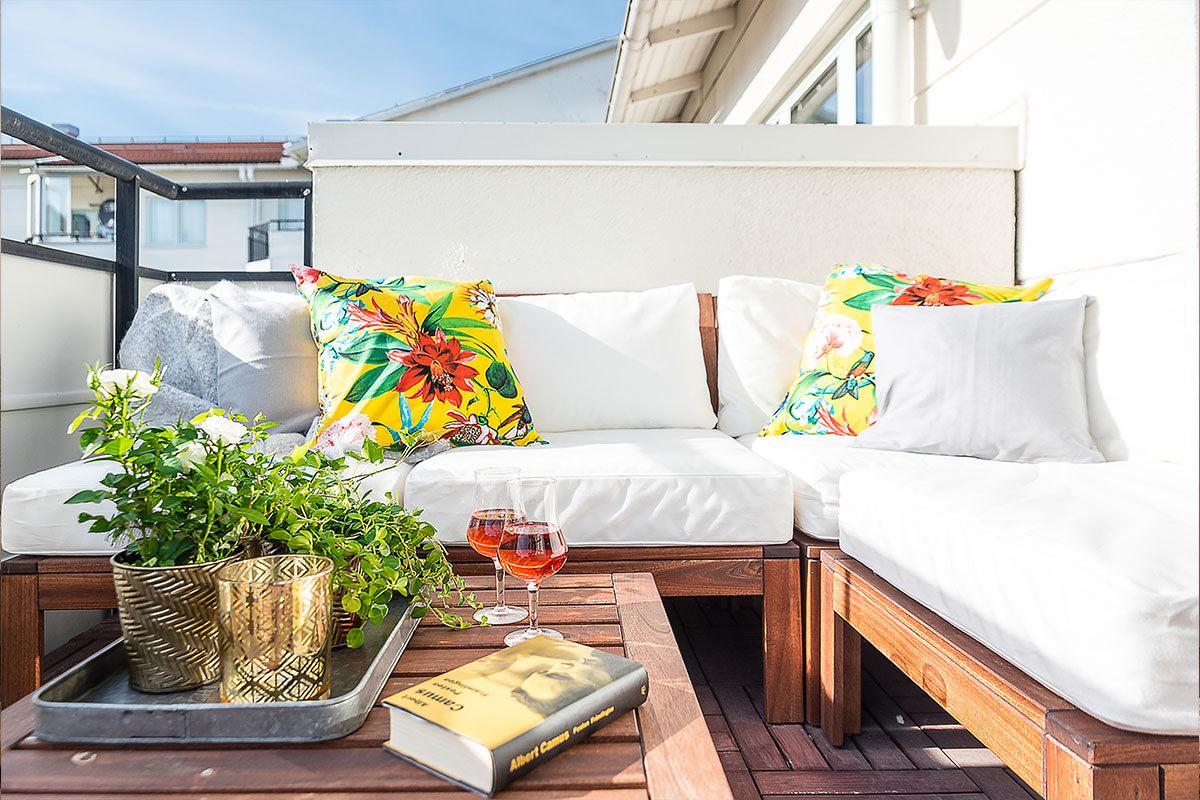
- If you have a balcony, take advantage of the wall or vertical area to create your garden. You can use supports hanging from the railings or walls to grow your plants vertically, maximizing the available space.
- Want to create a vertical garden on your porch or patio? You can create a welcoming green oasis using walls or vertical supports. This will allow you to enjoy nature even in a limited space.
- If you're not fortunate enough to have an outdoor space and want to bring nature indoors, interior walls can be the ideal place for your vertical garden. You can place vertical supports along the walls of hallways, rooms, or even the entryway, adding a touch of greenery and freshness to the space.
Source: Pinterest
Now that you've chosen the perfect location, another question arises: what materials should you choose for a vertical garden?
- Recycling old pallets is always a great idea for decorating your garden or outdoor space, and they're also perfect for creating a DIY vertical garden. You can use the spaces in the pallets to house pots or planters, creating a rustic and sustainable look.
- Metal mesh provides sturdy support for your vertical garden. You can attach the mesh to walls or supports and use hooks or baskets for plants. This solution is ideal for climbing plants or plants that require solid support.
- If you prefer a more natural and organic look, wooden supports are a versatile choice. You can opt for tiered shelves, hanging wooden crates, or even wooden wall structures. These materials integrate well with a welcoming and harmonious atmosphere.
By choosing the right placement and the right materials, you can create a charming DIY vertical garden that adds greenery and beauty to your space!
Let's get to work! How to Make a DIY Vertical Garden
Let's get to the point and see how to create a DIY vertical garden that suits your space and your creative vision. Remember, a vertical garden is also an opportunity to express your personal style!
Here's a tutorial with all the steps to follow.
1) Prepare your materials:
- If you've chosen to use pallets, be sure to clean them thoroughly to remove any paint residue or wood splinters. You can also sand the surface to make it smoother to the touch. If you opt for wire mesh, make sure you have enough material to cover the desired area. You can purchase mesh at hardware stores or online, making sure to choose a size that suits your needs.
Source: Pinterest
2) Organize your work:
- Measure the area where you want to place the vertical garden to determine the size of the support.- Decide how many compartments or spaces you want to include in your vertical garden. This will depend on the number of plants you want to grow and the space available.- Make a sketch or drawing to get a clear idea of the final result and to help you during construction.
3) Build the support for your vertical garden:
- If you are using pallets, position them to form a stable vertical structure. Make sure the pallets are aligned and secure them together using screws or nails.- If you have opted for wire mesh, cut it to the desired size and secure it to the wall or support using hooks or clamps. Make sure the mesh is taut and stable.
4) Decorate your DIY vertical garden:
Now that you have the basic support, you can customize it to make your vertical garden unique. You can add shelves or racks to hold pots, use cable ties to secure pots directly to the support, or add small hooks to hang decorative objects. Also consider adding decorative lights or an automatic watering system to simplify plant care.
Source: Pinterest
5) Secure your vertical garden to the wall or support:
- Make sure your support is securely attached to the wall or chosen support to ensure its stability and safety.- Position your vertical garden in the chosen location, ensuring it receives the right amount of sunlight and is accessible for plant care and maintenance.
By following these simple steps, you'll be able to create a sturdy, functional DIY vertical garden with a unique style.
What plants should I use in my DIY vertical garden?
Your DIY vertical garden is ready, and all that's left is to fill it with plants! But how do you choose the right ones? There are countless plants suitable for this type of hanging garden; let's take a look at a few.
Source: Pinterest
1) Climbing plants: These are ideal for a vertical garden as they climb up the supports, creating a spectacular green cascade effect.
- Strawberry pea plant: With its delicate leaves and white or pink flowers, this climbing plant adds a romantic touch to your vertical garden. It is hardy and can tolerate both direct and partial sunlight. - Clematis: With colorful and fragrant flowers, clematis is a charming choice for your vertical garden. It is suitable for temperate climates and prefers sun or partial shade. - Ivy: Ivy is a versatile and hardy plant that adapts well to different light conditions. Its dense green leaves create a lush atmosphere and can be used to cover walls or supports.
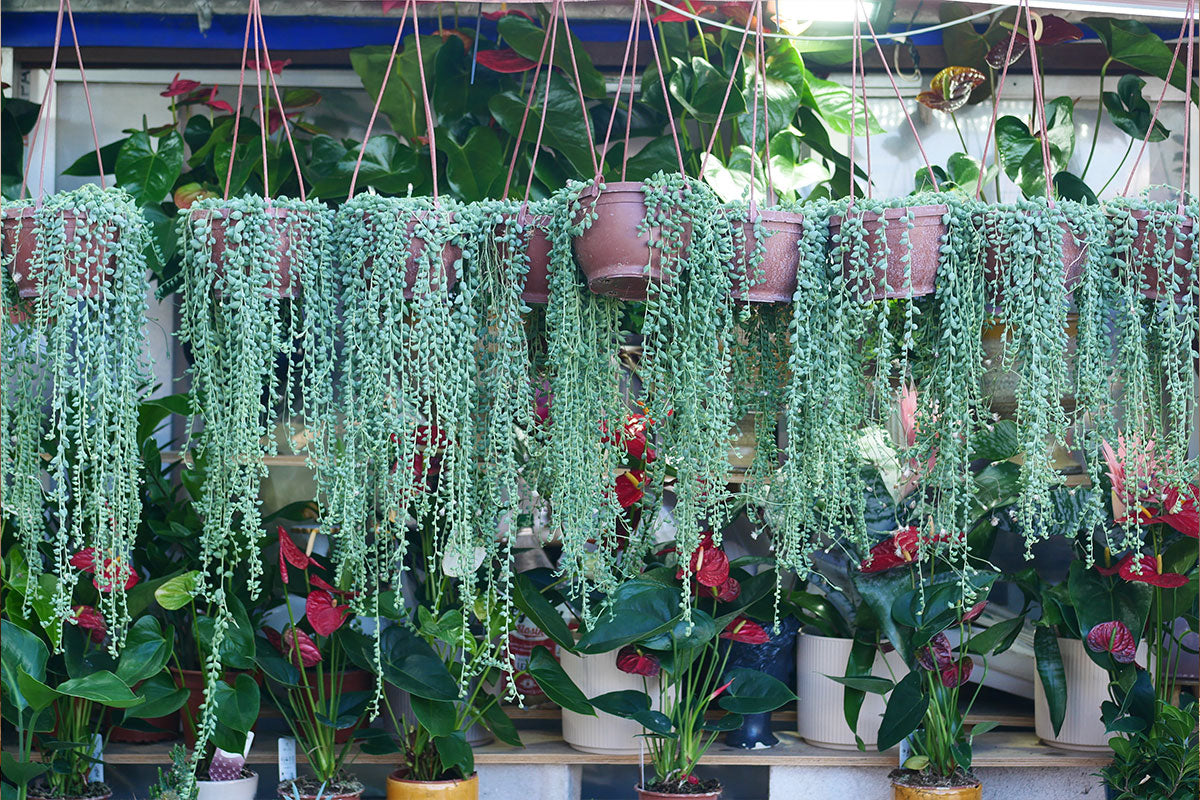
2) Trailing plants: They add an element of elegance to your vertical garden, with their trailing leaves creating a green curtain effect.
- Boston Fern: With its delicate, green fronds, the Boston fern is a popular choice for a vertical garden. It requires partial shade and good humidity, so be sure to provide the right conditions for its growth. - Spider Plant: With its long, ribbon-like leaves, the spider plant is an elegant choice for your vertical garden. It is hardy and can tolerate a variety of light conditions, but prefers indirect sunlight. - Pothos: A very hardy, trailing plant, ideal for beginners. Its heart-shaped leaves can range from green to variegated, adding visual interest to your vertical garden.
Source: Pinterest
There is also a third group of plants perfect for a vertical garden: aromatic herbs, which are highly fragrant and perfect for creating a Mediterranean atmosphere (and are also very useful in the kitchen).
Consider the amount of sunlight needed, adequate watering, and the final size of the plants. Give them enough room to grow and be sure to provide good drainage to avoid waterlogging.
Greenery That Thrives: Care and Maintenance of Your Vertical Garden
Now that you've created your stunning DIY vertical garden, it's important to dedicate some time to its care and maintenance to ensure your plants thrive over time!
Source: Pinterest
Here's how to care for your vertical garden:
- Regularly check the soil moisture and make sure you provide sufficient, but not excessive, water to avoid waterlogging. You can use a drip irrigation system or a sprinkler to simplify the process.
- Remove any dead or diseased leaves. Regular pruning promotes the growth and health of the plants in your vertical garden. You can also shape climbing plants to guide them harmoniously along the vertical structure.
- Depending on the seasons, you may need to replace some plants in your vertical garden. Some varieties may be better suited to specific times of the year, so consider seasonal replanting to keep your garden always green and lush.
By following these simple guidelines, you can enjoy a DIY vertical garden that draws attention and creates a unique atmosphere in your space!