



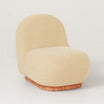

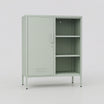
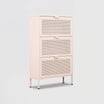

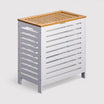








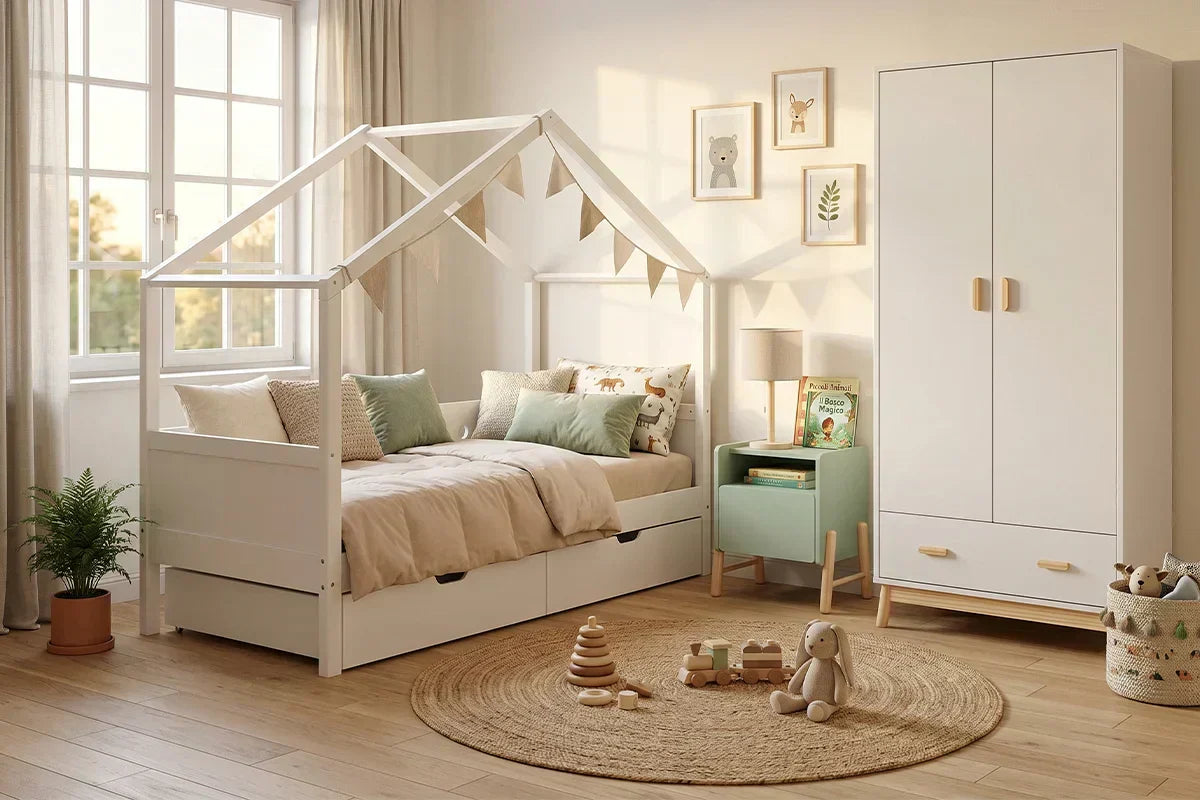
A child's bedroom is much more than just a room: it is where children sleep, play, learn, and grow. For this reason, it is important to design a space that is welcoming, functional, and capable of adapting to the different stages of their growth.
Whether you are furnishing the first child's bedroom, renovating an existing one, or looking for ideas to optimize the space, this guide will help you choose furniture, accessories, and organizational solutions to create a practical and full-of-personality environment.
Where to start when furnishing a child's bedroom

Before buying furniture and accessories, it is essential to analyze the available space.
Consider:
- the dimensions of the room;
- the position of doors and windows;
- natural light sources;
- the child's age;
- the activities they will do in the bedroom.
Good planning allows you to create an environment that remains functional over time.
The 5 essential zones of the child's bedroom
A well-organized child's bedroom can be divided into five main areas.
1. Sleep zone

The bed is the heart of the child's bedroom.
Choose a model proportional to the available space and complete the area with:
- a nightstand;
- a bedside lamp;
- a soft rug;
- decorative pillows.
An organized sleep area promotes relaxation and rest.
2. Play zone

In the early years of life, play takes up an important part of the day.
Leave an open space on the floor where the child can move around safely.
To keep everything tidy, the following are useful:
- storage containers;
- toy storage;
- baskets;
- organizing boxes.
3. Reading zone

Creating a small reading corner helps develop a love of books from early childhood.
Just a few elements are needed:
- a low, easily accessible bookcase;
- a rug;
- a small armchair or large pillows;
- good lighting.
4. Study zone

As the child grows, it becomes important to include a desk suitable for their age.
A well-organized study area makes studying easier and helps improve concentration.
Complete the space with:
- shelves;
- storage containers;
- organizer;
- a table lamp.
5. Storage zone

Clothes, toys, books, and school supplies require plenty of storage space.
The goal is to make everything easily accessible, even to children, to promote independence.
How to choose the right furniture
Each piece should combine functionality, safety, and aesthetics.
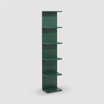
Children's bookcases
A bookcase is not just for storing books.
It can hold:
- toys;
- plush toys;
- boxes;
- small decorative objects.
Low bookcases allow children to choose what they want to use independently.
Tables and desks
Desks accompany the child for many years.
It is important to choose models that are:
- sturdy;
- spacious;
- easy to clean;
- easy to coordinate with the rest of the furnishings.
Storage containers and toy storage

Keeping things tidy becomes much easier when every object has its own place.
Storage containers and baskets help keep the child's bedroom organized at all times.
The Montessori method in the child's bedroom
More and more families are choosing furniture inspired by Montessori principles.
The goal is to promote autonomy and independence.
Some characteristic elements include:
low furniture;
- accessible bookcases;
- toys arranged on open shelves;
- coat racks sized for children;
- simple and intuitive organization.
It is not necessary to completely transform the room: even small changes can make the environment more functional.
How to organize toys

Clutter is one of the most common problems in child's bedrooms.
To avoid it, it is useful to group toys by category:
- building toys;
- creative toys;
- books;
- puzzles;
- plush toys.
Using labeled containers makes tidying up easier and helps the child develop good habits.
The best colors for the child's bedroom
Color helps create the room's atmosphere.
Some of the most popular shades include:
- white;
- beige;
- taupe;
- sage green;
- powder blue;
- powder pink.
These colors are relaxing and easy to coordinate over time.
More vibrant elements can be added through accessories and decorations.
Lighting in the child's bedroom
Good lighting includes multiple light sources.
It is advisable to use:
- a central ceiling light;
- a desk lamp;
- a bedside lamp;
- a night light.
Each light source serves a different need during the day.
How to furnish a small child's bedroom

Even a few square meters can be made functional.
Some practical tips:
- choose multifunctional furniture;
- use the walls with shelves;
- prefer light colors;
- make use of vertical storage;
- avoid overly bulky furnishings.
The goal is to leave as much space as possible for play.
Safety first
When furnishing a child's bedroom, it is important to pay attention to safety as well.
It is advisable to:
- secure bookcases and furniture to the wall;
- avoid sharp corners;
- use materials that are easy to clean;
- keep walkways clear.
A safe room allows children to move around independently.
A child's bedroom that grows with the child
Choosing versatile furnishings allows the same bedroom to be used for many years.
Prefer:
- furniture with timeless design;
- modular bookcases;
- easily reconfigurable storage containers;
- desks that can accompany the child's growth.
This way, you will only need to update accessories and decorations without completely replacing the furnishings.
Errors to avoid

When furnishing a child's bedroom, it is best to avoid some common mistakes:
- buying too much furniture;
- choosing based on aesthetics alone;
- neglecting spaces dedicated to play;
- not providing enough storage;
- using overly intense colors on all the walls.
Balanced planning allows you to create an environment that is both beautiful and practical.
Conclusion
Furnishing a child's bedroom means creating a space that promotes well-being, play, and learning. With a proper organization of the spaces, functional furniture, and solutions designed to grow with the child, it is possible to create a welcoming and tidy room over time.
By choosing coordinated bookcases, storage containers, desks, and accessories, you can create a child's bedroom that combines aesthetics, practicality, and comfort, accompanying every stage of growth.


